10 Common Garage Door Problems (and How to Fix Them)
Your garage door is one of the most used entryways in your home. In fact, for many homeowners, it’s used more often than the front door. A reliable garage door doesn’t just provide convenience—it also protects your vehicles, belongings, and home from the elements and unwanted access.
But like any other mechanical system, garage doors can develop issues over time. From annoying squeaks to complete breakdowns, knowing what to look for (and when to call a professional) can make a huge difference in avoiding costly repairs.
In this guide, we’ll go through 10 common garage door problems and solutions so you can keep your door in top shape.
1. Noisy Garage Door
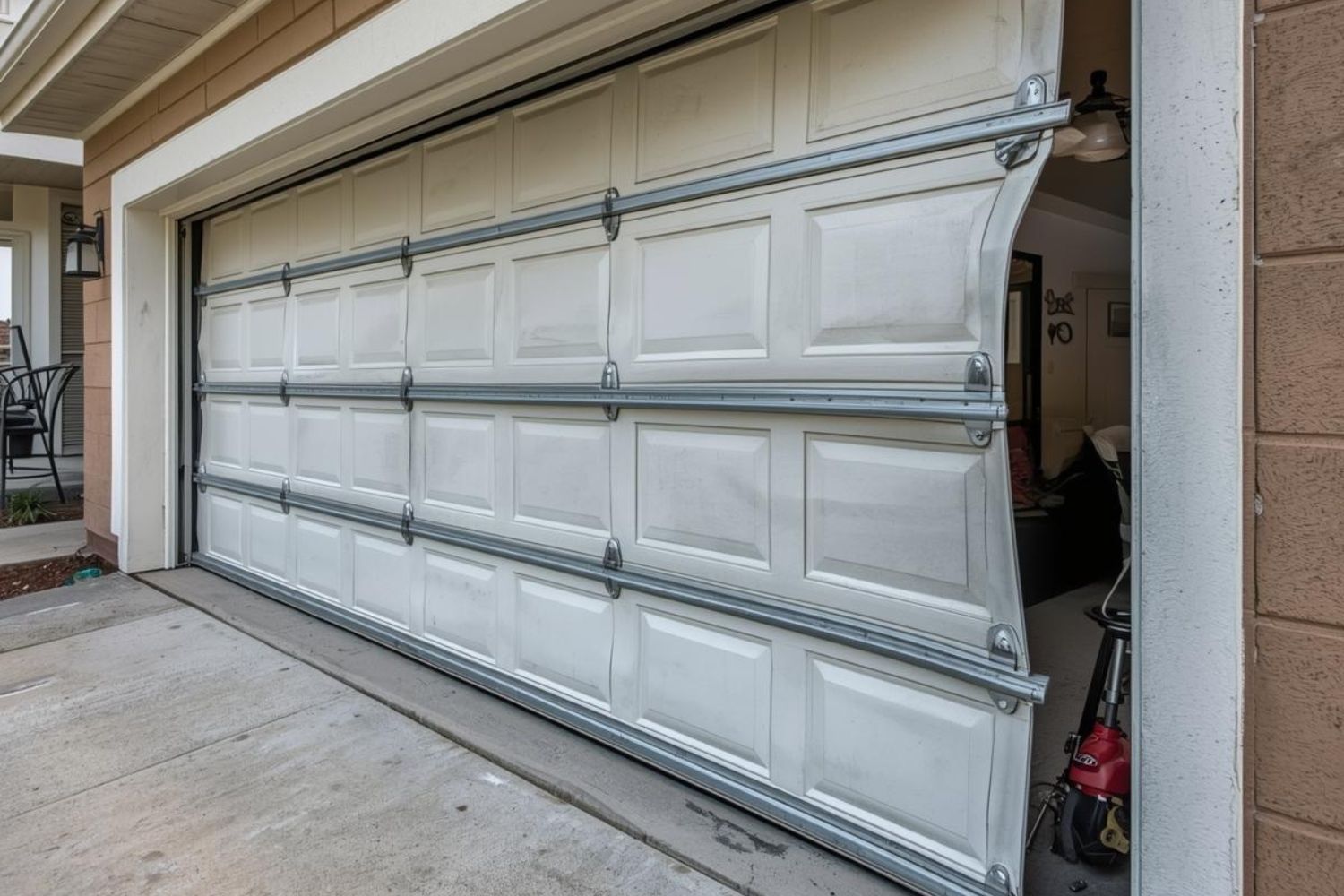
If your garage door is suddenly louder than usual, don’t ignore it. Strange squeaks, rattles, or grinding noises are often early warnings that something isn’t working as it should. Left unchecked, these sounds can quickly turn into bigger problems.
The Problem:
A noisy garage door is one of the first signs that something isn’t working properly. The squeaking, grinding, or rattling you hear could be caused by loose bolts, worn-out rollers, or lack of lubrication. Over time, these noises tend to get worse and could indicate larger mechanical issues.
Why It Matters:
Ignoring the noise can lead to further damage. What starts as a squeaky hinge can eventually cause stress on your opener or tracks, leading to expensive repairs.
The Solution:
- Tighten all nuts and bolts on the tracks, hinges, and rollers.
- Apply a garage door lubricant to all moving parts, including rollers, springs, and hinges.
- Replace metal rollers with nylon ones, which are quieter and longer-lasting.
Pro Tip: Schedule routine maintenance at least twice a year to keep noise from coming back.
2. Garage Door Won’t Close
Few things are more frustrating than a garage door that refuses to shut when you need it to. Beyond being inconvenient, it also leaves your home and belongings vulnerable. Luckily, this issue often comes down to a simple fix.
The Problem:
If your garage door refuses to close, the most common culprit is the photo-eye safety sensors. These sensors are installed near the floor on either side of the door and prevent it from closing if something is in the way. Dust, misalignment, or wiring issues can cause the sensors to malfunction.
Why It Matters:
A garage door that won’t close is a safety and security concern. It leaves your belongings exposed and your home vulnerable.
The Solution:
- Clean the sensor lenses with a soft cloth to remove dirt and debris.
- Check alignment by ensuring the sensors face each other.
- Inspect the wires for damage or loose connections.
- If the door still won’t close, adjust the opener’s settings according to the manufacturer’s manual.
Pro Tip: Keep kids’ toys, bikes, or tools away from the sensor area to avoid frequent misalignments.
3. Remote Control Not Working
You expect your garage door to respond instantly when you press the button, so when nothing happens, it’s stressful. A non-working remote can leave you stranded outside or struggling to get into your own garage. The good news is that the cause is often something small.
The Problem:
Your remote suddenly stops working, leaving you stuck outside or unable to open the garage door. This can happen due to dead batteries, signal interference, or problems with the opener’s receiver.
The Solution:
- Replace the batteries in your remote.
- Make sure you’re within range and there’s no obstruction between the remote and the opener.
- Reprogram the remote if necessary (check the opener’s manual).
- Inspect the opener’s antenna for damage or misalignment.
Pro Tip: If multiple remotes or the wall switch stop working, the issue is likely with the opener itself—not the remotes.
4. Garage Door Opens Then Reverses
A garage door that starts to close but suddenly reverses can feel confusing and even unsafe. This back-and-forth motion usually signals that the door’s safety features have been triggered. Understanding why it happens will save you a lot of frustration.
The Problem:
Sometimes a garage door begins to close but immediately reverses direction. This usually indicates a problem with the opener’s travel or force settings.
Why It Matters:
Improperly adjusted settings can strain the opener and lead to premature wear.
The Solution:
- Check for obstructions in the track. Even small objects can trigger reversal.
- Adjust the opener’s travel and force settings using the manufacturer’s guide.
- Inspect the springs and cables for uneven tension.
Pro Tip: If adjustments don’t fix the problem, call a professional—especially if springs or cables are involved.
5. Stuck or Off-Track Garage Door
When your garage door won’t budge or comes off its track, it can bring your entire day to a stop. Not only is it inconvenient, but it also poses a serious safety risk if the heavy door becomes unstable. Acting quickly is key to preventing further damage.
The Problem:
A garage door that’s stuck or off its track can be dangerous. This usually happens when something obstructs the track or when the rollers pop out.
The Solution:
- Stop using the door immediately to avoid further damage.
- Inspect the tracks for bends, debris, or obstructions.
- Gently realign bent tracks with a rubber mallet, but only if the damage is minor.
- Call a professional for severe track misalignment.
Pro Tip: A jammed or off-track door is one of the most common garage door problems and solutions homeowners need professional help with, since forcing the door can cause even more damage.
6. Broken Springs
A broken spring is one of the most serious issues a garage door can face. Without functional springs, your door can’t operate safely, and forcing it could cause injury or damage. Fortunately, there are clear signs that a spring has failed.
The Problem:
Springs are one of the most critical parts of your garage door system. They counterbalance the heavy weight of the door. When they break, the door becomes extremely heavy and difficult (or impossible) to lift.
Why It Matters:
Broken springs are a safety hazard. Attempting to operate a door with broken springs can damage the opener or cause injury.
The Solution:
- Do not attempt to repair or replace springs yourself—they are under extreme tension.
- Call a professional garage door technician for safe replacement.
Pro Tip: If one spring breaks, consider replacing both. Springs are usually installed in pairs and tend to wear out around the same time.
7. Worn or Frayed Cables
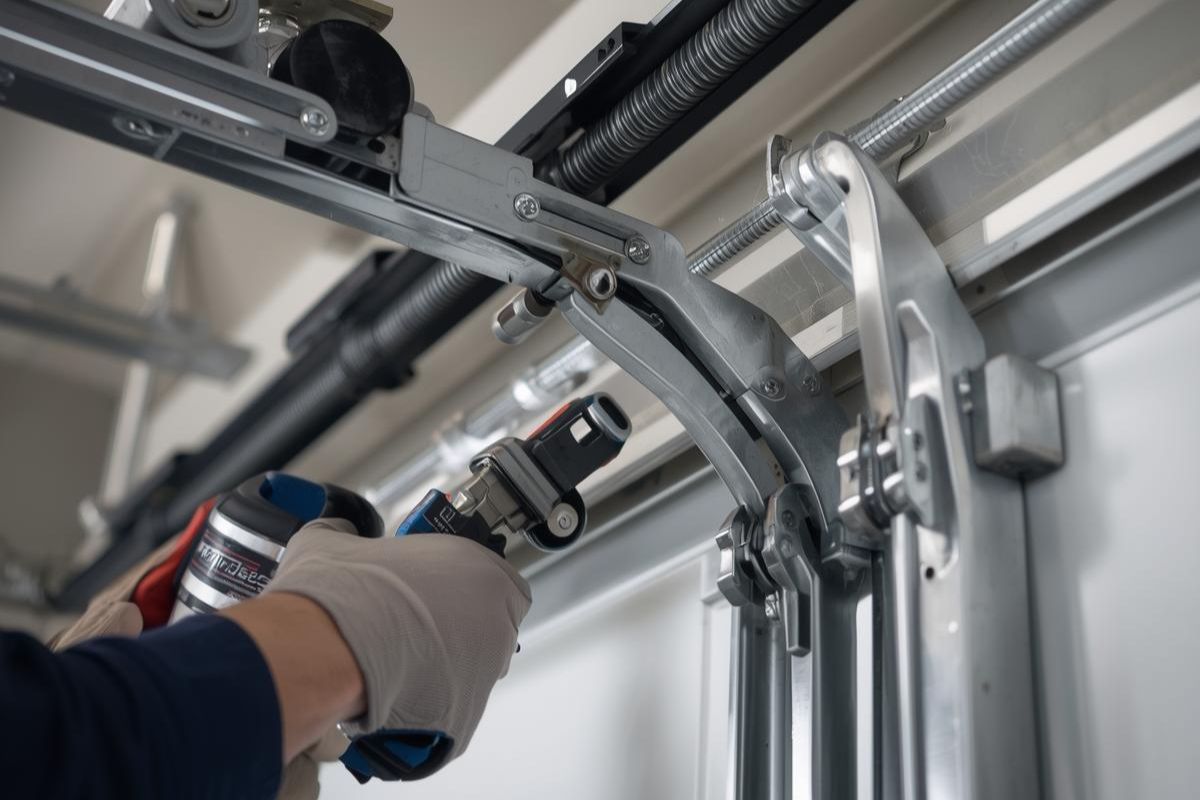
Even though garage door cables aren’t as noticeable as springs or rollers, they’re just as important. When cables begin to wear out or fray, the door loses its ability to lift evenly and safely. Spotting the problem early can prevent a sudden failure.
The Problem:
Garage door cables work with springs to lift and lower the door. Over time, they may fray, wear, or snap.
The Solution:
- Stop using the garage door immediately if you see fraying cables.
- Call a professional to replace them safely.
Pro Tip: Regularly inspect your cables for wear during maintenance checks.
8. Garage Door Moves Unevenly
If you’ve ever noticed your garage door looking crooked or jerky as it opens, that’s a red flag. An unevenly moving door usually means something is out of balance. Ignoring the problem can strain the entire system over time.
The Problem:
If one side of the garage door rises faster than the other, it could mean uneven tension in the springs or issues with the tracks and cables.
Why It Matters:
An uneven door can damage tracks, strain the opener, and eventually cause complete failure.
The Solution:
- Inspect for obstructions in the track.
- If the problem persists, contact a professional to balance the door.
Pro Tip: A balanced garage door should stay halfway open without moving up or down.
9. Opener Motor Runs But Door Doesn’t Move
Hearing the motor running but seeing no movement can be puzzling. This problem often feels more serious than it actually is, but it still requires attention. It usually points to a connection or mechanical issue within the system.
The Problem:
If you hear the opener motor running but the door doesn’t move, the issue could be with the disconnect switch or stripped gears.
The Solution:
- Check if the opener is in manual mode (look for a hanging release cord).
- If gears inside the opener are stripped, you may need a replacement part or new opener.
Pro Tip: If your opener is more than 15 years old, consider upgrading to a newer model with smart features and improved safety.
10. Weather Stripping Damage
Not all garage door issues are mechanical—sometimes the problem lies with insulation and protection. When weather stripping wears out, it allows drafts, pests, and water to creep inside. Replacing it promptly keeps your garage more comfortable and energy-efficient.
The Problem:
Weather stripping at the bottom of your garage door keeps out drafts, water, and pests. Over time, it cracks, hardens, or wears away.
The Solution:
- Replace the weather seal strip at the bottom of your garage door.
- For wooden garage doors, consider painting or sealing edges to prevent water damage.
Pro Tip: Replacing weather stripping is one of the simplest DIY fixes that can improve energy efficiency and comfort.
Preventative Maintenance Tips
Now that you know the common garage door problems and solutions, here are steps you can take to prevent them:
- Lubricate moving parts every six months.
- Check springs, cables, and rollers for wear regularly.
- Clean and align safety sensors.
- Tighten bolts and screws to prevent loosening from vibration.
- Schedule annual professional maintenance to catch problems early.
Pro Tip: Prevention saves money. Staying ahead of issues not only keeps your garage door running smoothly but also reduces the risk of encountering these common garage door problems and solutions unexpectedly.
When to Call a Professional
While many garage door issues can be handled with simple troubleshooting, some problems are best left to the experts. Garage doors are heavy, and their springs and cables operate under high tension, which makes them potentially dangerous if mishandled. Knowing when to stop a DIY fix and call for professional service is crucial for your safety and your door’s long-term reliability.
Call a professional if you notice:
- Broken springs or cables – These are high-risk components that can cause serious injury if replaced improperly.
- Severe track damage – Bent or misaligned tracks may require specialized tools and precise adjustments.
- Opener motor failure – Complex electrical and mechanical repairs are safer with trained technicians.
- Uneven or jerking door movement – Often caused by imbalanced tension that requires professional adjustment.
- Repeated malfunctions – If the same issue keeps coming back despite DIY fixes, it’s a sign of a deeper problem.
Why it matters:
Attempting to fix these advanced issues yourself could result in injury, more costly repairs, or permanent damage to your garage door system. A professional technician has the training, tools, and experience to resolve these problems quickly and safely.
Frequently Asked Questions About Garage Door Problems
1. What are the most common garage door problems?
The most common issues include noisy operation, doors that won’t close, stuck or off-track doors, broken springs, and malfunctioning remotes. These are all part of the common garage door problems and solutions homeowners often deal with.
2. Can I fix garage door problems myself?
Minor tasks like tightening bolts, cleaning sensors, or replacing weather stripping can be done as DIY projects. However, repairs involving springs, cables, or openers should always be handled by a professional for safety reasons.
3. Why won’t my garage door close all the way?
This usually happens because of dirty or misaligned safety sensors. Cleaning or realigning the sensors usually solves the problem. If not, the issue could be with the opener settings.
4. How often should I schedule garage door maintenance?
We recommend having your garage door serviced at least once a year. Routine inspections and lubrication help prevent many of the common garage door problems and solutions from developing into costly repairs.
5. When should I replace my garage door instead of repairing it?
If your garage door is over 15–20 years old, has significant structural damage, or requires frequent repairs, replacement may be the smarter investment.
Final Thoughts
Your garage door is an essential part of your home’s safety, convenience, and appearance. By understanding these common garage door problems and solutions, you can handle small issues before they turn into costly repairs.
However, not every repair should be a DIY project. Garage door springs, cables, and openers require professional expertise to ensure safe and effective repair. That’s where we come in.
At Ace’s Garage Repair & Installation, we specialize in fast, reliable, and affordable garage door services. Whether you’re dealing with a stuck door, broken spring, or noisy opener, our team of experts is here to help.
Call us today to schedule your garage door repair or installation service and keep your door running smoothly year-round!